

Cockroaches in Mallorca: Palma Neighbourhoods, Hotels & What Works (2026)
Are there cockroaches in Mallorca? Yes – here is where they show up in Palma and the resorts, why sewer treatments push them indoors, and what stops them.
Content verified by Carlos Ruiz Martín, ROESBA-certified pest control professional
Palma de Mallorca is the Balearic Islands’ capital – a stunning Mediterranean city of over 400,000 residents with a dense Gothic old town, a massive cruise port, and high-rise beachfront developments. The island’s year-round mild climate, coastal humidity, and enormous tourism infrastructure make cockroach prevention essential for every household.
Are There Cockroaches in Mallorca?
Yes. Cockroaches are common across Mallorca, and Palma has the island’s heaviest pressure. Most sightings are large outdoor cockroaches coming up from the sewer network on warm evenings, not an infestation inside the building. Expect them in:
- Palma – old town, Coll d’en Rabassa, Playa de Palma and any street with older sewer wells
- Resort strips – Alcúdia, Santa Ponça, Cala d’Or and Cala Ratjada, where hotel and restaurant waste concentrates
- Old stone houses and fincas – drystone walls, aljibes (cisterns) and unsealed drains in towns like Sóller and Pollença
Small brown cockroaches inside kitchen cupboards are a different problem – that is the German cockroach, which breeds indoors and will not go away by itself. See cockroaches in Spain to tell the species apart.
Why Palma Has a Significant Problem
- Year-round mild climate – Palma rarely drops below 8°C, meaning cockroaches remain active even in winter
- Gothic old town – The Casc Antic has drainage infrastructure dating to medieval and Moorish periods
- Port and cruise terminal – One of the Mediterranean’s busiest cruise ports, plus commercial shipping
- Island humidity – 65–75% humidity year-round from the surrounding sea
- Massive tourism – Millions of visitors generate enormous food waste across the hospitality sector
Palma's Extended Season
Mallorca’s mild climate means cockroach activity runs April through November – longer than mainland Spain. Old town properties may see year-round activity.
Neighbourhood Risk Profiles
Casc Antic (Old Town) & La Llonja
The medieval heart of Palma – the Cathedral, narrow streets, and ancient buildings.
- Oriental cockroaches from centuries-old drain infrastructure
- Gothic and Moorish-era buildings with innumerable entry points
- Dense restaurant and bar scene generates massive food waste
- Professional annual treatment strongly recommended
Santa Catalina & El Terreno
Trendy neighbourhoods west of the old town.
- Older buildings undergoing renovation – construction disturbance displaces cockroaches
- Restaurant and nightlife density sustains populations
- German cockroaches in apartment kitchens
- Coordinate with comunitat de propietaris for building-wide treatment
Playa de Palma & El Arenal
The famous beach strip east of the city.
- Holiday apartment and hotel density at extreme scale
- Properties empty outside summer = dried-out drain traps
- Building-wide treatment essential – individual prevention insufficient
- German cockroaches in shared plumbing systems
Son Espanyolet, Son Armadans & Residential Palma
Established residential neighbourhoods.
- Standard apartment prevention protocol
- Mixed building ages – older blocks need more attention
- German cockroaches dominant in apartment kitchens
- Garden properties: perimeter treatment around boundaries
Portixol & Es Molinar
Former fishing villages, now gentrified waterfront neighbourhoods.
- Coastal humidity and harbour proximity
- Older fishermen’s buildings being converted to modern residences
- Seal thoroughly during renovation
- Dehumidifiers useful for ground-floor units
Why Sewer Treatments Push Cockroaches Into Homes
Palma’s council runs a municipal pest service (servei de plagues) that treats sewer wells across the city’s neighbourhoods several times a year, plus parks and municipal buildings. That works – but in the days after a street is treated, cockroaches that escape the sewer head for the nearest dry, dark gap, which is often a ground-floor drain, a door threshold or a basement vent.
Residents in Coll d’en Rabassa reported exactly this in summer 2026: cockroaches climbing walls and entering homes after their streets were fumigated.
- Report a street or sewer problem to the council on 010 – the municipal line routes it to the pest service
- Close drains and ground-floor doors in the evenings after you see crews treating your street
- Check drain traps hold water – a dry U-bend is an open door from the sewer
- Seal around pipes where they enter the building, especially in basements and locales
The council treats the public network. Everything from the drain grate into your home is your responsibility – or your comunitat de propietaris.
What Actually Works

Maxforce Gel Bait
Best for: All cockroach species
The professional standard in Mallorca. Apply every 3 months – year-round in the old town due to the extended season.
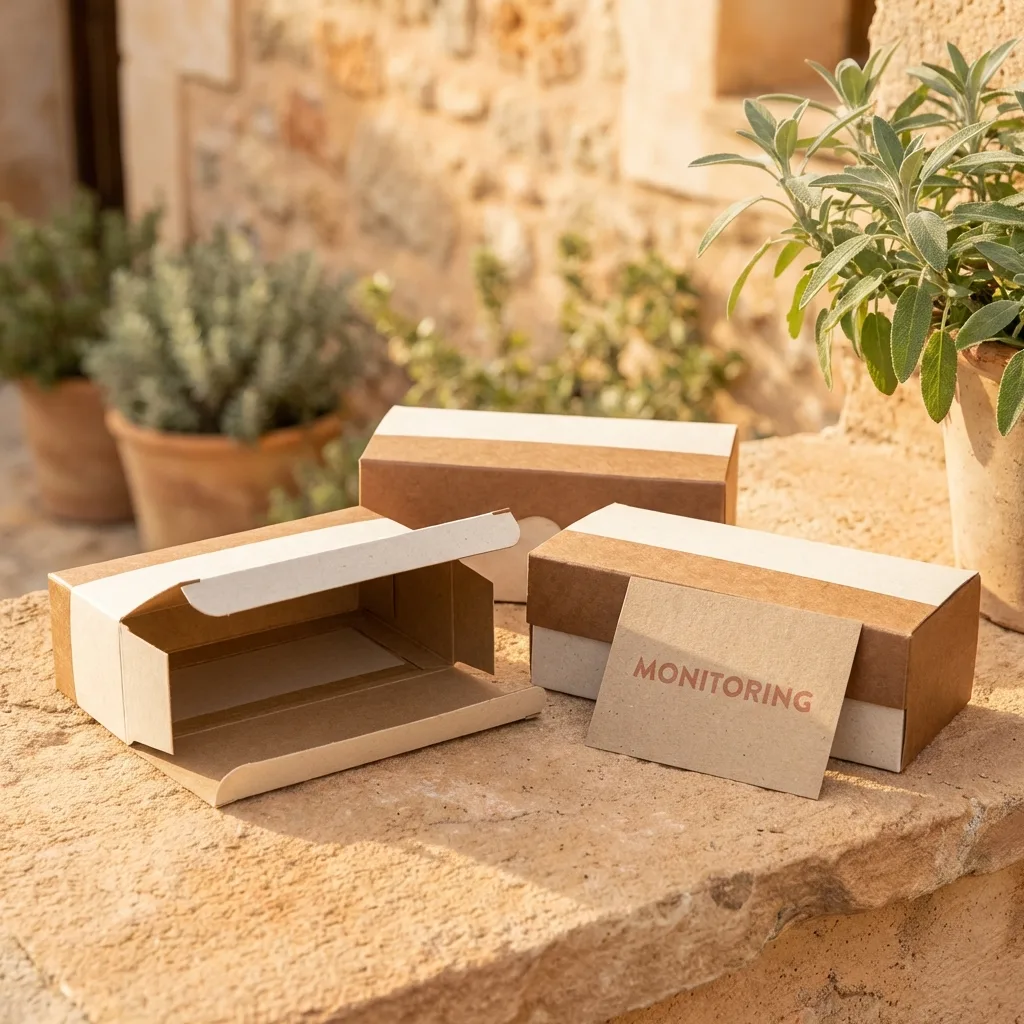
Catchmaster Sticky Traps
Best for: Monitoring all species
Put two by each drain and under the sink. They tell you whether you are seeing strays from the sewer or a colony breeding indoors.
Drain covers matter more in Palma than gel bait. A mesh cover on every floor drain, shower and patio grate blocks the sewer route the council’s treatments push cockroaches along – see drain protection.
Where to Buy in Palma
- Amazon.es – delivery to Mallorca (2–3 days typically)
- Leroy Merlin – Palma (Marratxí location)
- Mercadona – multiple Palma locations
- Ferreterías – hardware stores throughout the city
Island living. Mainland-level prevention.
Get the 12-step prevention system – free.
No spam. Unsubscribe anytime.
Mosquitoes and Processionary Caterpillars in Mallorca
Cockroaches are not the only seasonal pest here:
- Tiger mosquitoes – established in the Balearics since 2012. They bite by day, breed in plant saucers, buckets and blocked gutters, and stay active into November in Palma. See our tiger mosquito guide and the spread map
- Pine processionary caterpillars – Mallorca’s pine woods, from Bellver to the Serra de Tramuntana, carry nests that drop caterpillars between January and April. Their hairs cause rashes in people and serious injuries in dogs. Keep dogs on a lead under pines in late winter – see processionary caterpillars
When to Call a Professional
- Properties in the Casc Antic (medieval infrastructure)
- Playa de Palma holiday properties with building-wide issues
- 5+ sightings per week during any season
- You manage holiday rental properties
- DIY treatment has failed twice
Find a Professional in Palma
Palma has established pest control companies serving the expat and tourism community. Find a professional →
Your Next Step
Palma’s year-round mild climate demands year-round prevention – not just summer.
Download the Free Prevention Checklist → – the professional system, adapted for island living.
Pest Guides for Palma de Mallorca
Detailed guides for each pest type in Palma de Mallorca — risk levels, prevention, products, and local companies.